
Successful Completion of BSNL 4G Saturation Project in Kerala & Lakshadweep
Su Square Projects & Infrastructure proudly announces the successful completion of the prestigious BSNL 4G Saturation Project across Kerala and Lakshadweep. Executed as a back‑to‑back implementation partner for M/s Bondada Engineering Ltd., this milestone marks a significant achievement in strengthening digital connectivity across some of India’s most challenging terrains.
Project Overview
The nationwide 4G Saturation initiative aims to provide 4G mobile services to tens of thousands of uncovered and remote villages across India. Our team played a crucial role in the success of Kerala & Lakshadweep 4G saturation rollout.
Lakshadweep Achievements
We successfully completed the full scope of work across the Lakshadweep archipelago, covering 11 islands, including the unmanned island Suheli under extreme logistical challenges.
- Total Sites Completed: 37 (11 Islands)
Kerala Achievements
Across Kerala, our teams executed and delivered 329 sites, covering rural villages, coastal belts, and hilly terrains—ensuring seamless 4G connectivity across the state.
- Total Sites Completed: 329 Sites
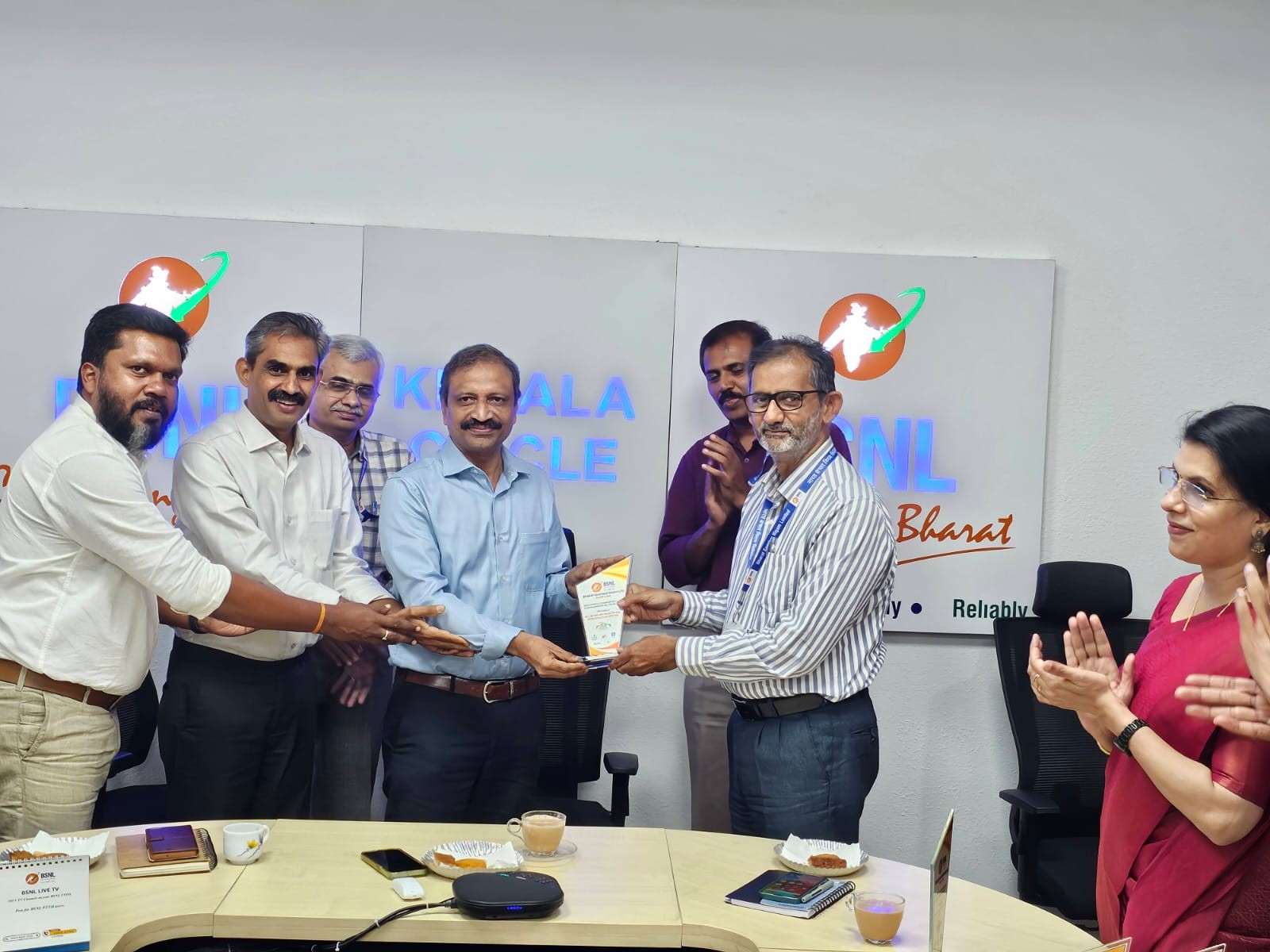
Celebrating Success: Team Recognition
In appreciation of the dedication, resilience, and teamwork demonstrated throughout the project, Su Square Projects & Infrastructure organized an Malaysian Tour for the project teams. This international trip served as a recognition reward for their exceptional contribution and commitment.
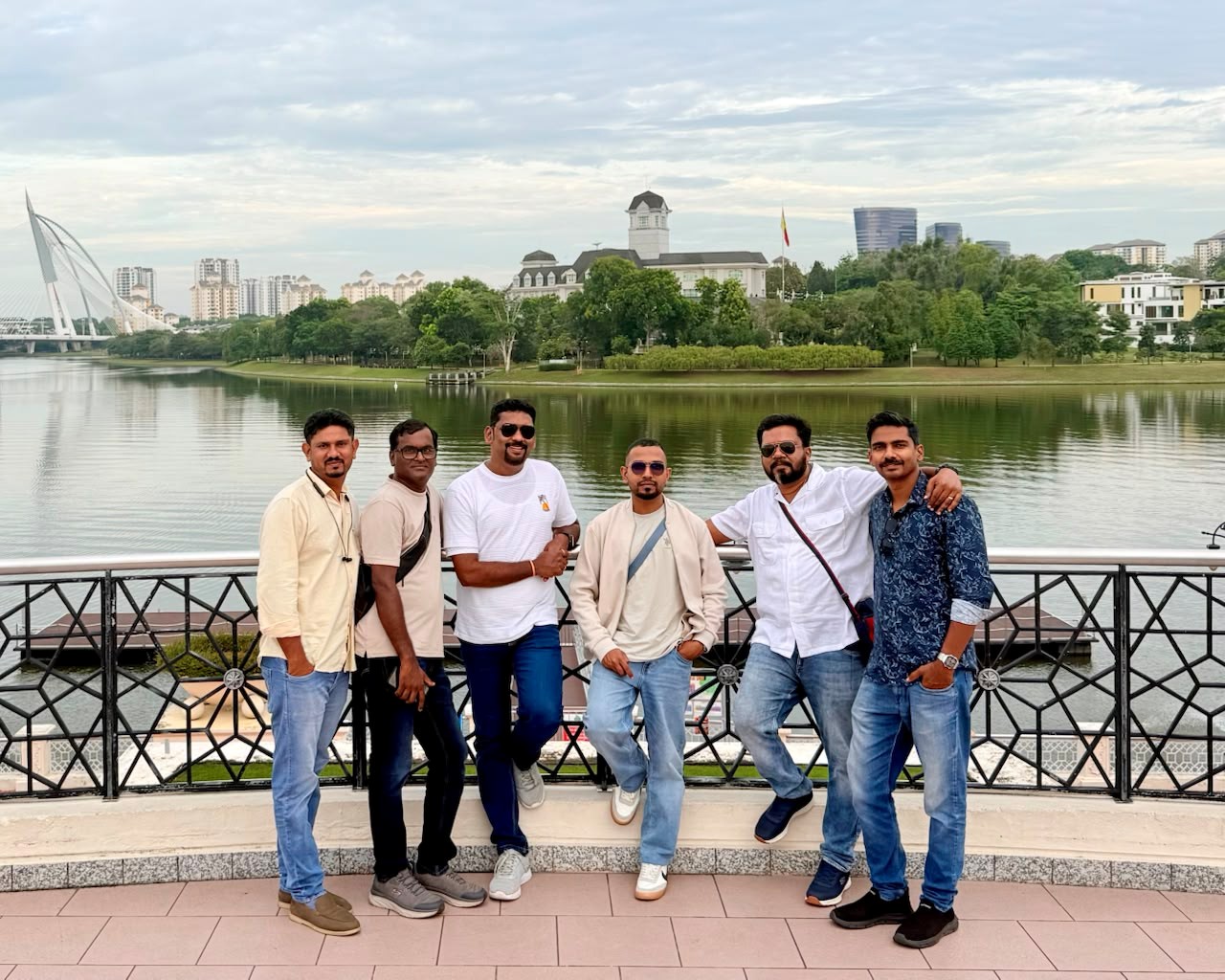
A Milestone That Defines Our Capability
The successful completion of the BSNL 4G Saturation Project across Kerala & Lakshadweep stands as a testament to our engineering strength, operational excellence, and ability to deliver in the most demanding environments. This achievement reinforces our position as a trusted infrastructure partner for large‑scale telecom and connectivity projects.